Learning by playing
Pedagogy
The learning theory behind the game — Kolb, Gee, Squire, and a regional re-framing.
The arc of the game
Each era of Watts and Wealth replays a phase of real-world energy history. Scroll to walk through them.
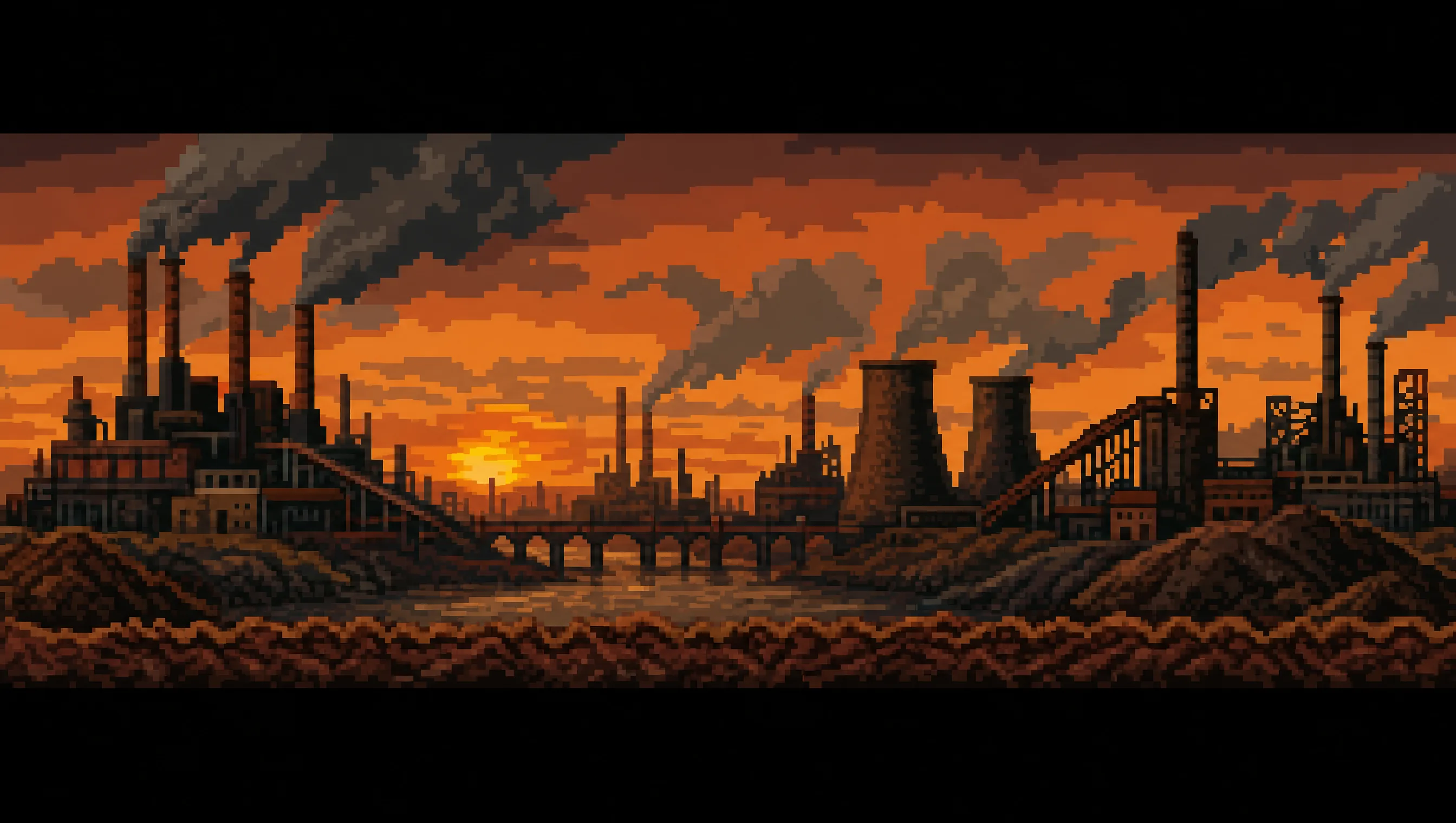
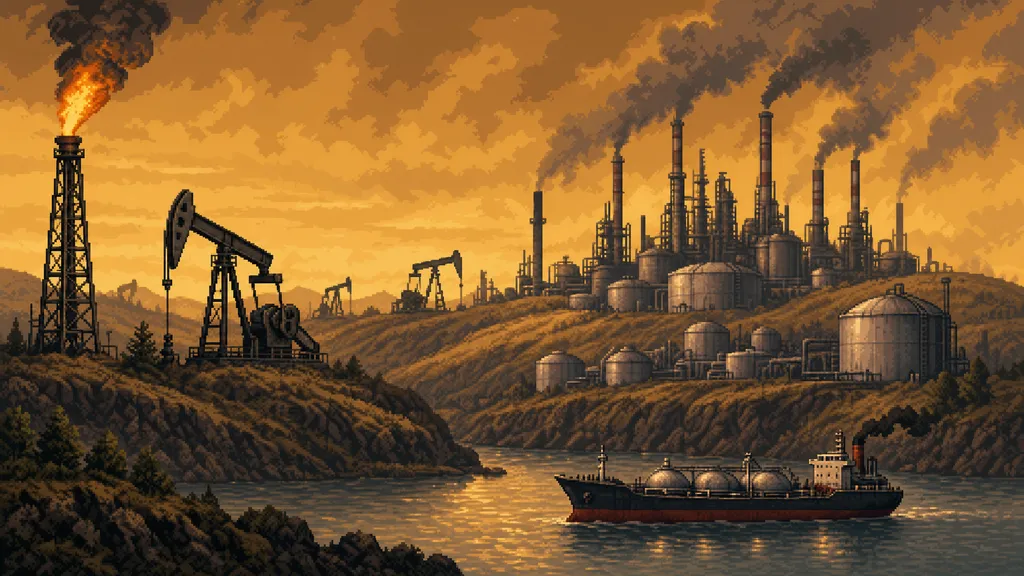
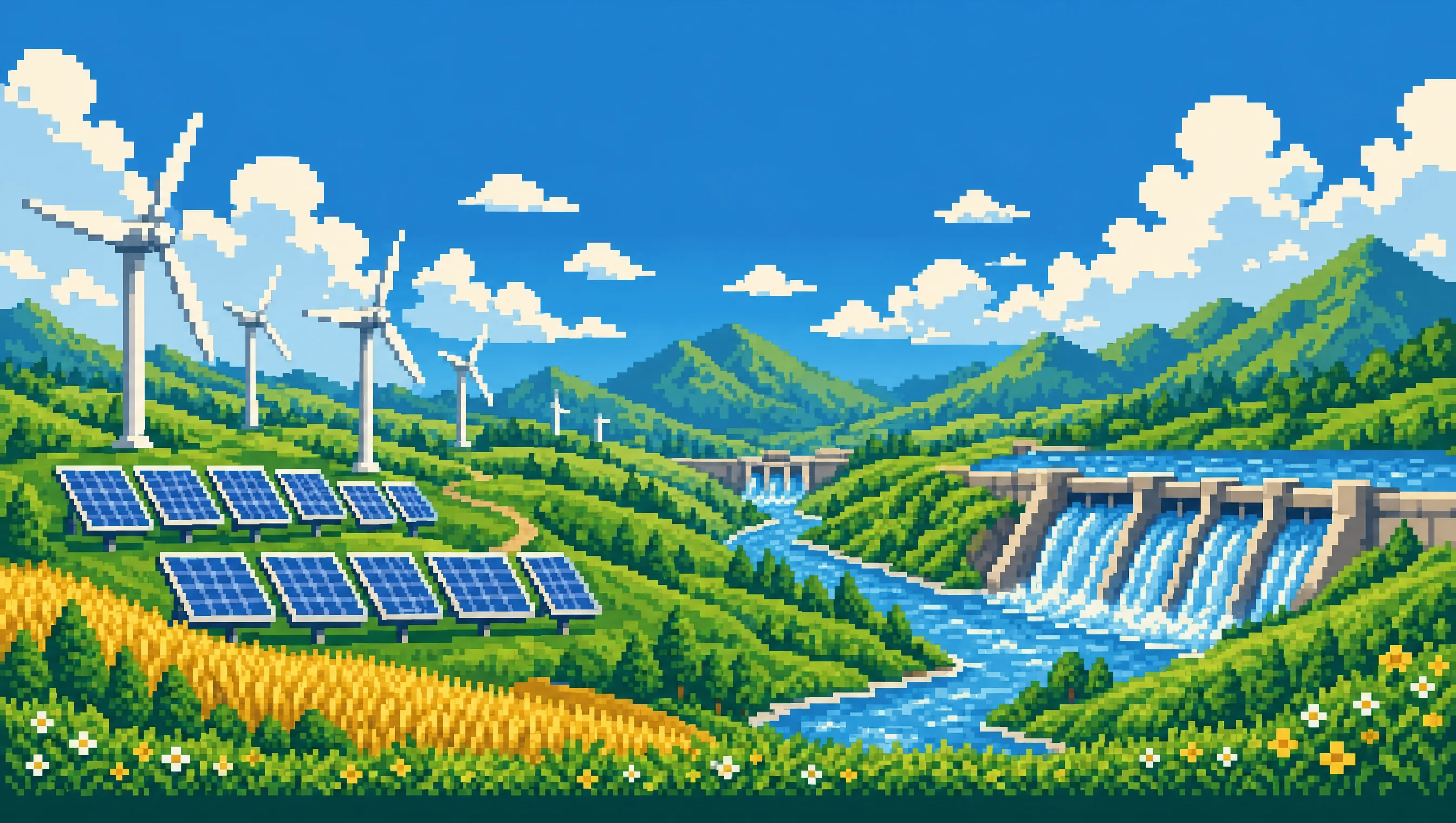

Coal is cheap. Cheap is winning.
The board opens with coal and oil as the dominant facilities. Renewables exist but cost more, output less, and unlock no policy bonuses yet. Most playtests show players go all-in on fossil at this stage — exactly the historical 19th–20th-century pattern.
The crises start arriving.
Oil Crisis. Smog Emergency. Worker Union Strikes. The Event deck weight shifts: pollution-linked crises start hitting fossil-heavy players. Some pivot. Most double down — and pay round-end tariffs they didn't expect.
Real policy enters the board.
Paris Climate Agreement. Nuclear Treaty. Feed-in Tariff. Real policies — named, documented — unlock and reshape the economics. Renewable facilities become viable. The richest player isn't automatically winning anymore.
Mitigate, transition, or collapse.
Net Zero Movement. Perovskite Breakthrough. Direct Air Capture. Late-era tech and mitigation cards arrive — but the pollution counter doesn't care. Either players co-op into ≥60% renewables, or everyone loses to the tipping point together.
Mechanics in your hand
Each card carries a learning hook — historical analogue, IPCC framing, or named real-world precedent. Hover or tap to flip.
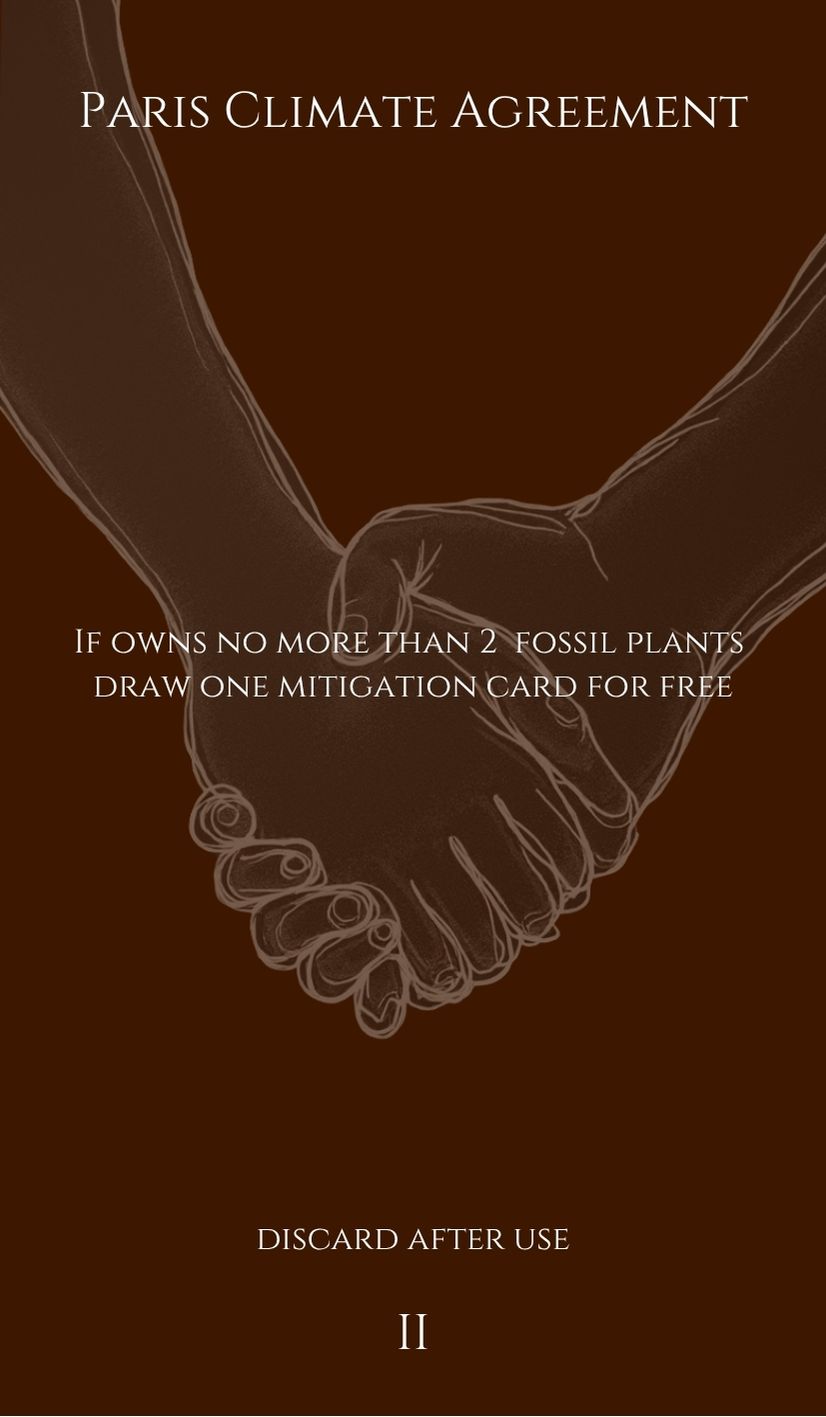
Coordinates a renewables-favourable global accord. Reduces pollution penalty for clean facilities and accelerates renewable build pacing.
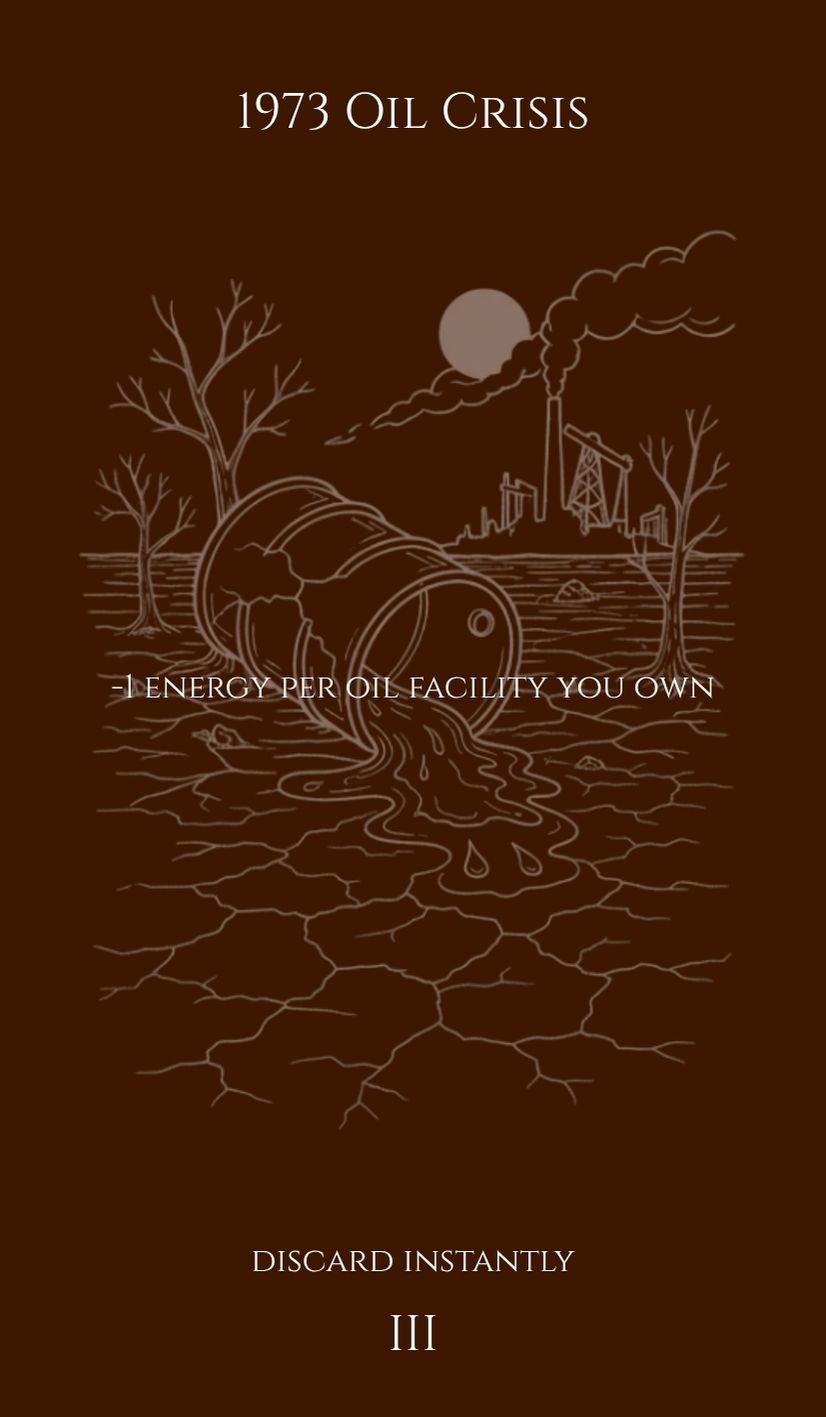
Fuel cost spike: oil-based facilities pay a heavy round-end tariff. Hits players whose grid still leans on oil mid-game.
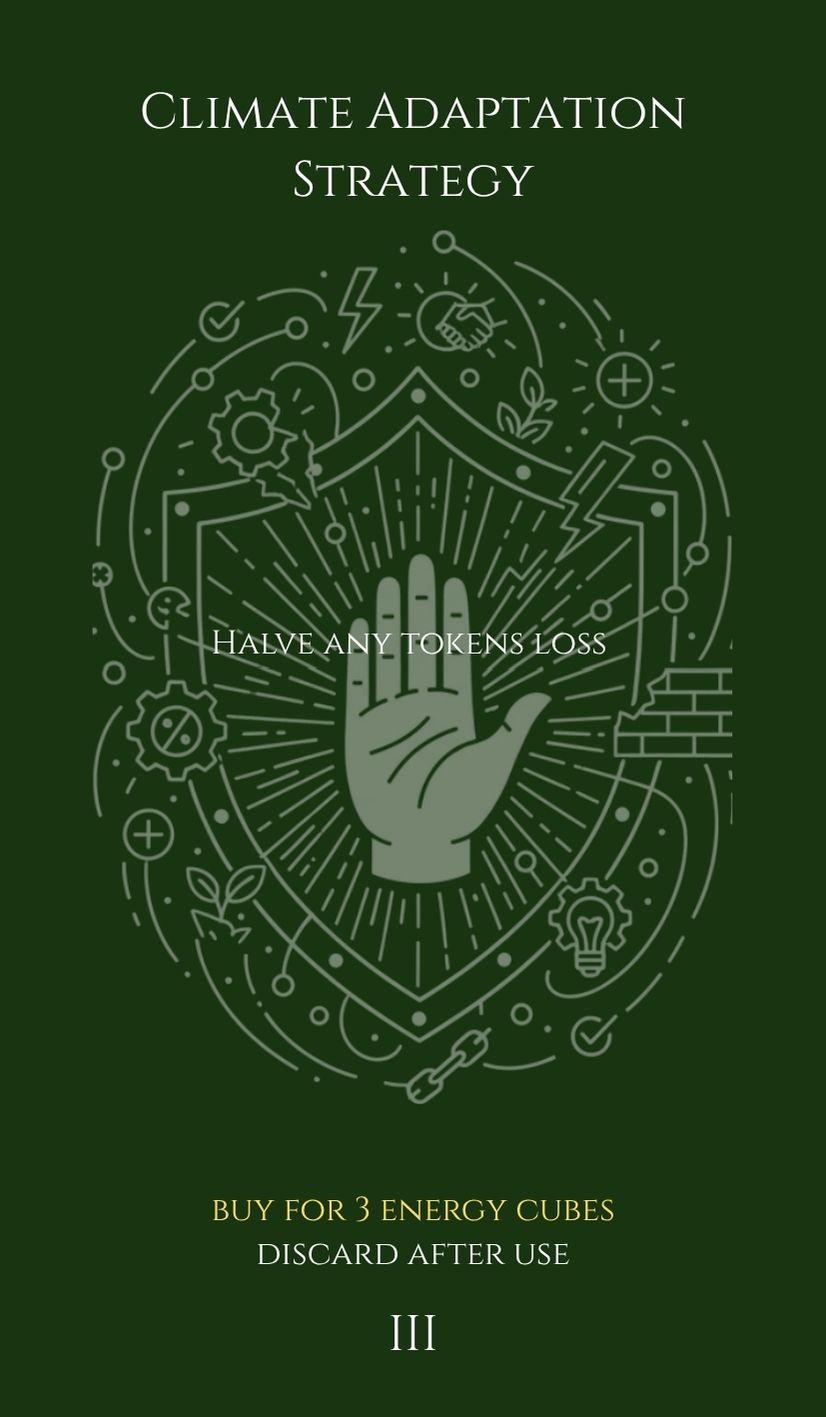
Reactive defence: halves the next token loss inflicted by a card effect against you. Forces players to bank insurance before crises hit.
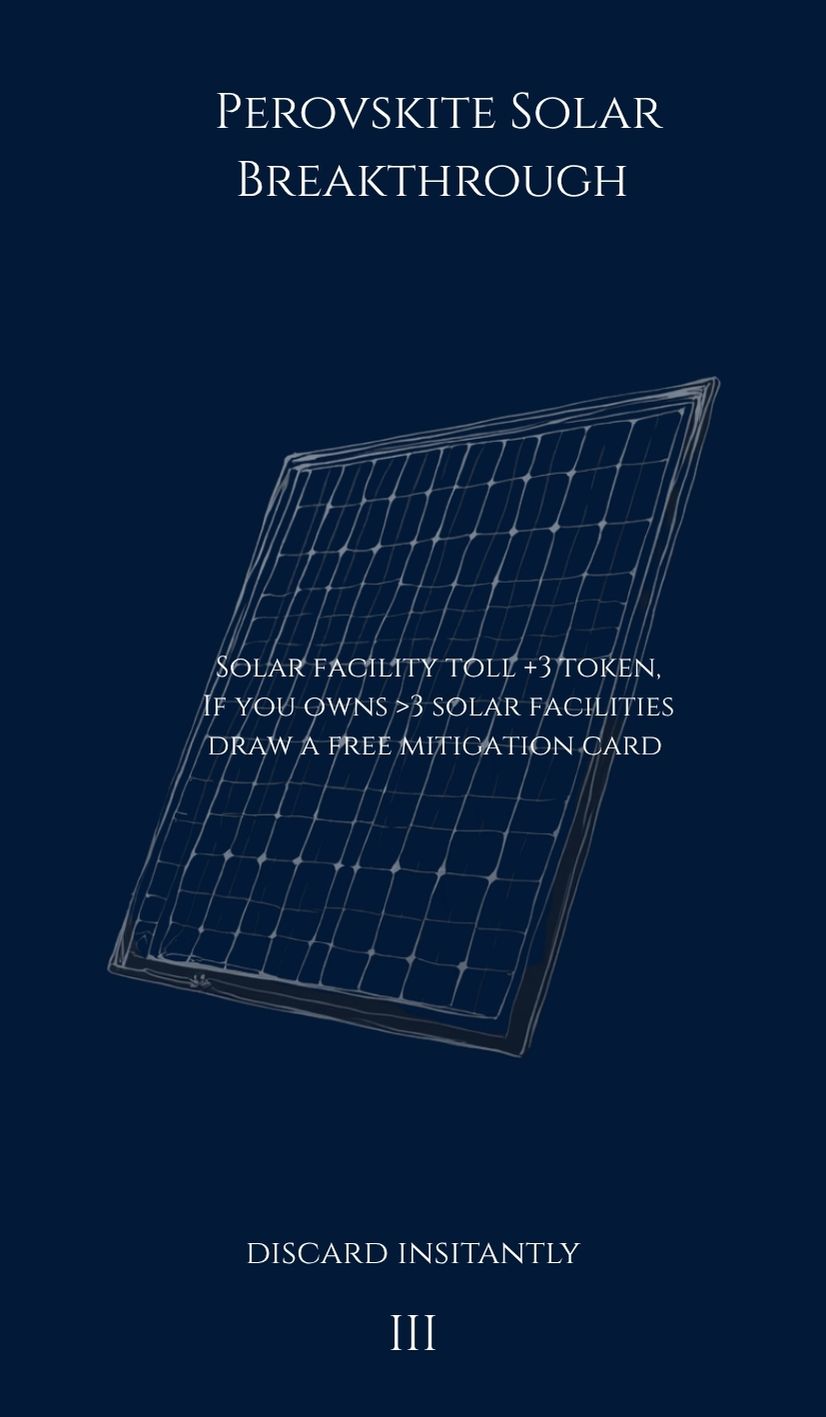
Permanent upgrade to all the holder's solar facilities. Late-era pivot card that rewards earlier solar investment.
Theoretical entries
Long-form chapters on the learning theory grounding the game design.
- Kolb's Experiential Learning Cycle in Watts and Wealth
How dice-roll, card-draw, and decision-making map to Kolb's four-stage experiential learning cycle, with concrete examples drawn from the game's 79-card deck.
Read entry → - Serious games as systems-thinking environments
Squire's situated-learning thesis, Gee's design principles, and the modern game-based-learning literature applied to a hot-seat board game on energy policy.
Read entry → - Why we contextualised the SDG narrative for Asia-Pacific
Energy mix, climate vulnerability, and policy framing in Asia-Pacific differ from the implicit OECD context of most climate serious games. Watts and Wealth's card pool and event cadence reflect that difference deliberately.
Read entry →